Mechanical-Seam Metal Roofing in Asheville, NC
Mechanical-seam roofing locks each panel to the next with a seam folded tight by a seaming tool. The fasteners stay hidden beneath the panels, and the result is a clean, strong standing seam roof.
- Standing Seam, Mechanically Locked
What Makes a Mechanical-Seam Roof Different
A standing seam roof is made of long metal panels joined by raised seams that run from the ridge down to the eave. On a mechanical-seam roof, those seams are not simply snapped together. After the panels are set, a seaming tool folds the edges of neighboring panels over each other, locking them into one continuous seam. That fold is what gives this system its strength against wind and water.
The panels are held to the roof deck with clips hidden under the seams, so there are no exposed screws punching through the surface. That matters because exposed fasteners and their rubber washers are a common place for a metal roof to need attention as it ages. The clips also let the panels expand and contract with temperature swings, which is important in a climate where a cold morning can turn into a warm afternoon.
In the mountains around Asheville and Waynesville, roofs face wind across exposed ridges, heavy rain and the occasional ice and snow. A mechanically seamed roof is well suited to that kind of weather, and it can also work on lower-pitched roofs where other systems struggle. We install it with care at every seam and transition, and we form the trim on our own machine so it fits the roof properly. You get a written estimate before work begins.
Inside a Mechanical-Seam Installation
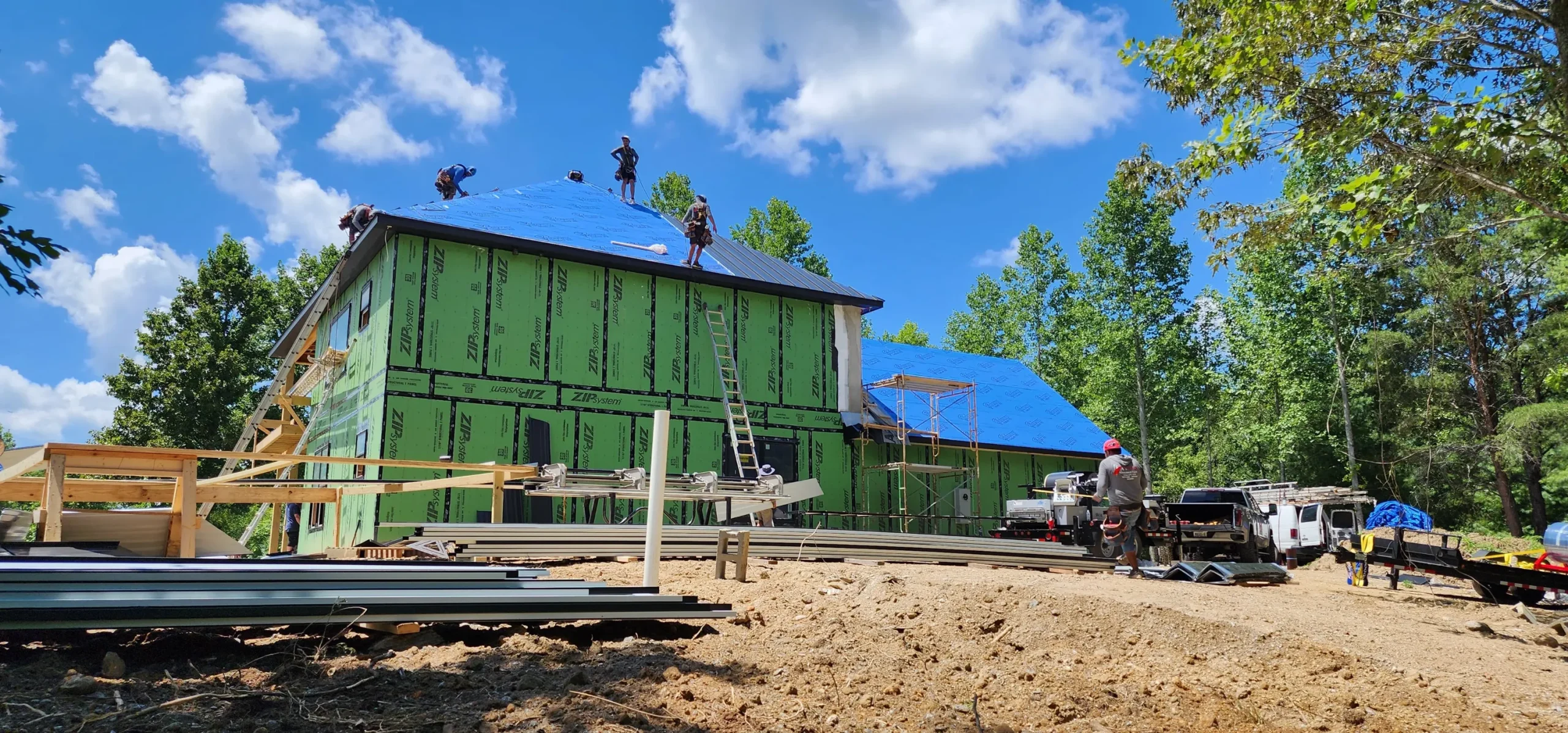
Panel Layout
We plan the panel layout around your roof's ridges, valleys and penetrations, so the seams run straight and true and the finished roof looks clean from the street.
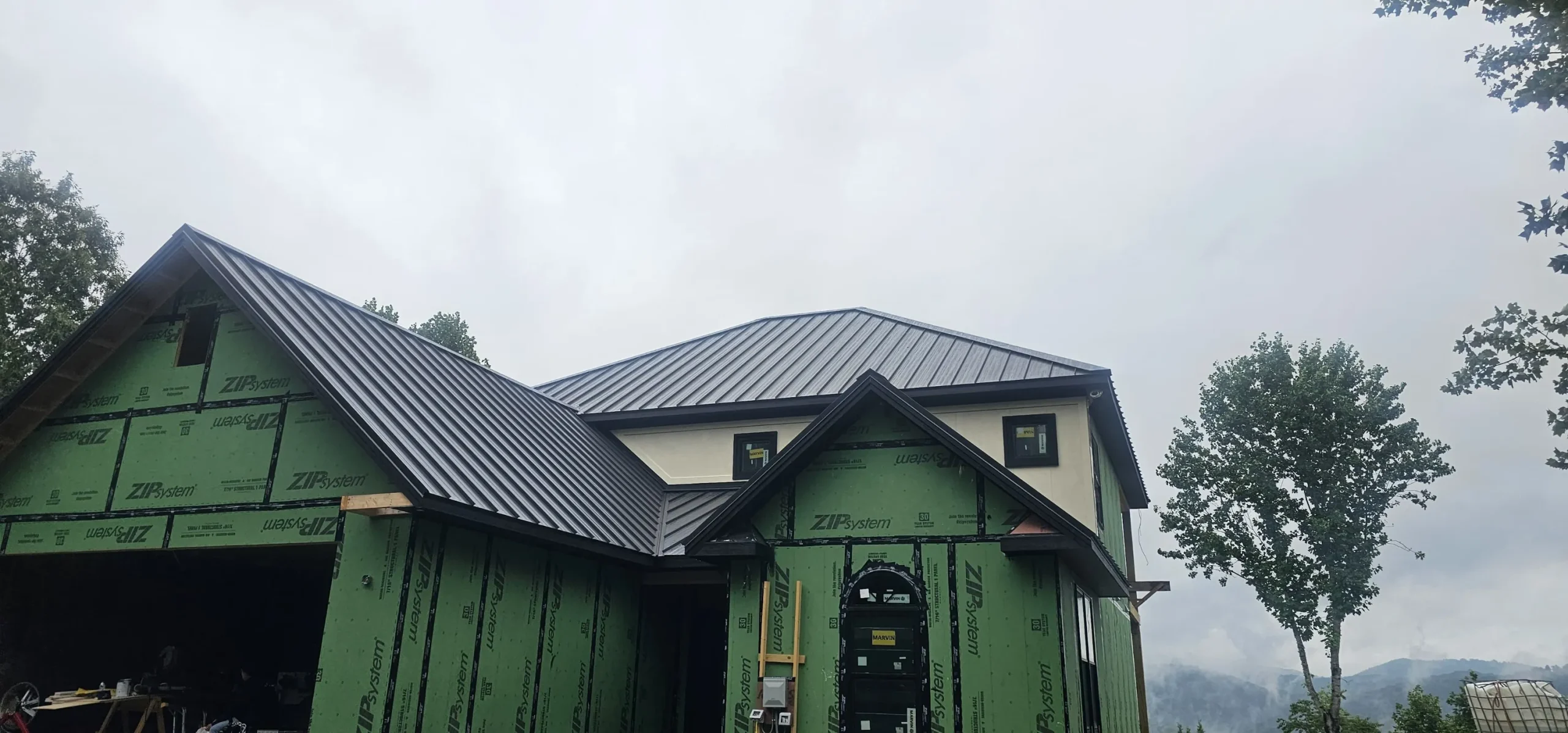
Concealed Clip Fastening
Hidden clips attach each panel to the deck beneath the seam. With no screws through the face of the panel, there are fewer openings for water to find.
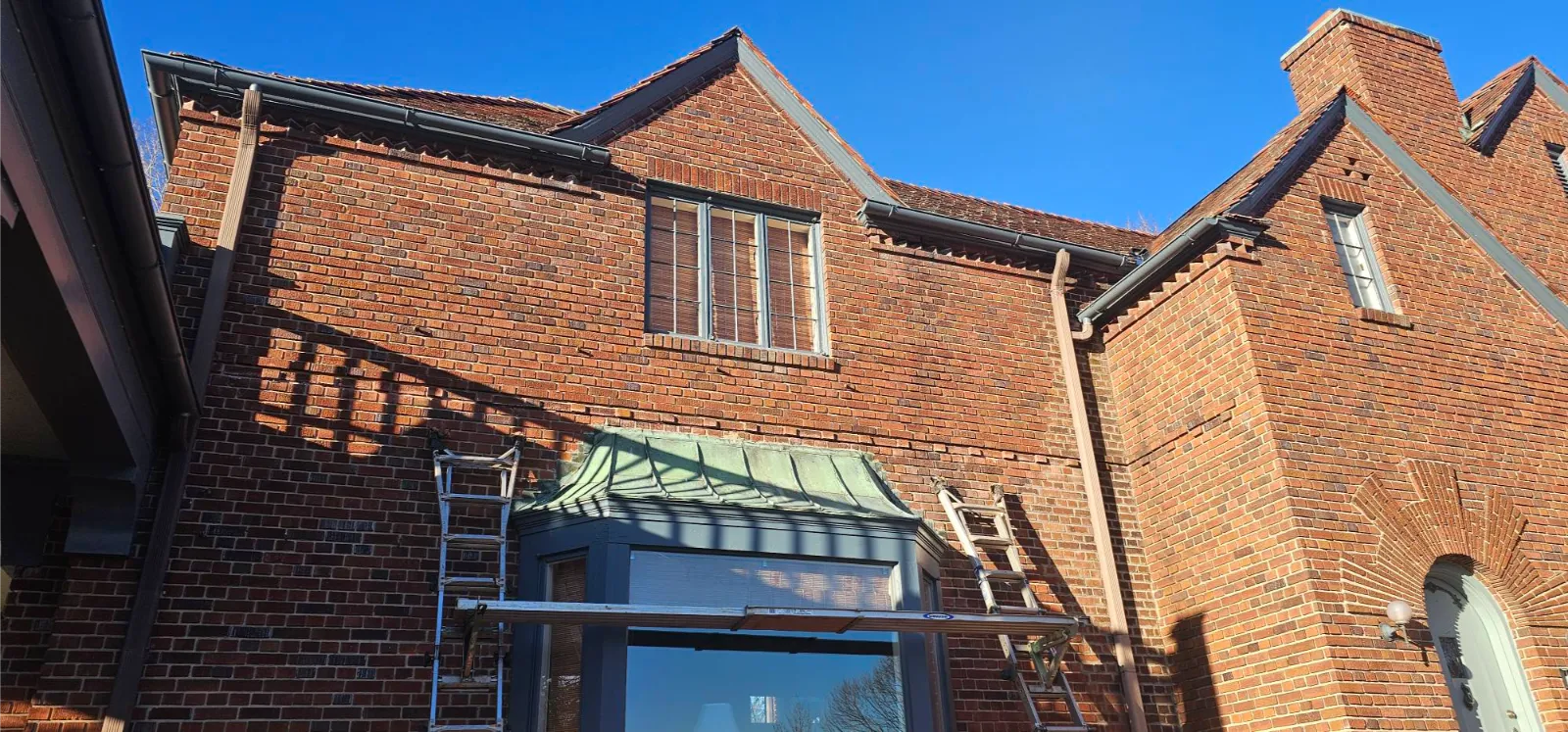
Mechanical Seaming
Once the panels are set, a seaming tool folds the seams closed along their full length, turning separate panels into one tightly locked roof surface.
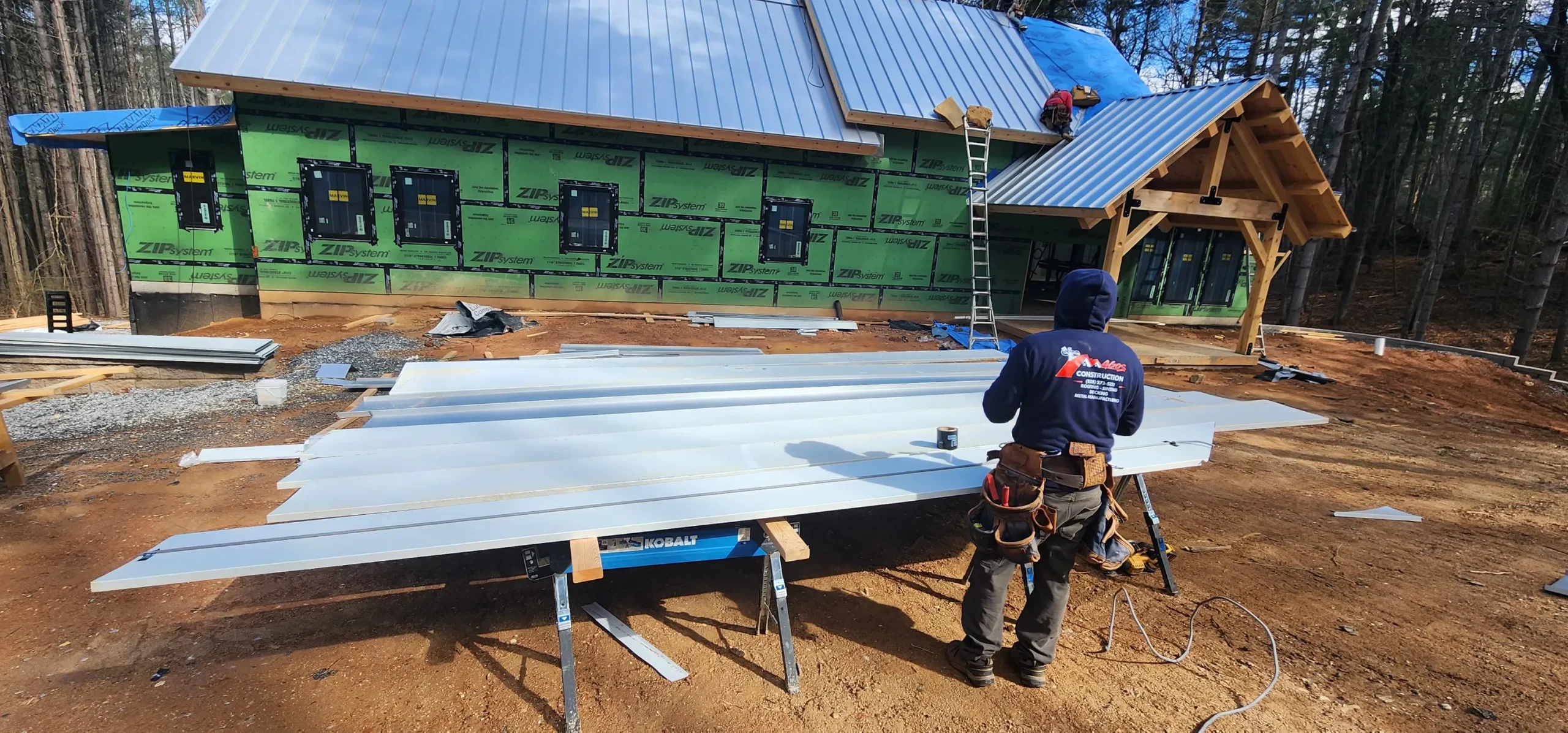
Trim and Transitions
Ridges, eaves, gables, valleys and wall joints are finished with trim formed on our own machine, shaped to fit your roof and keep water moving off it.
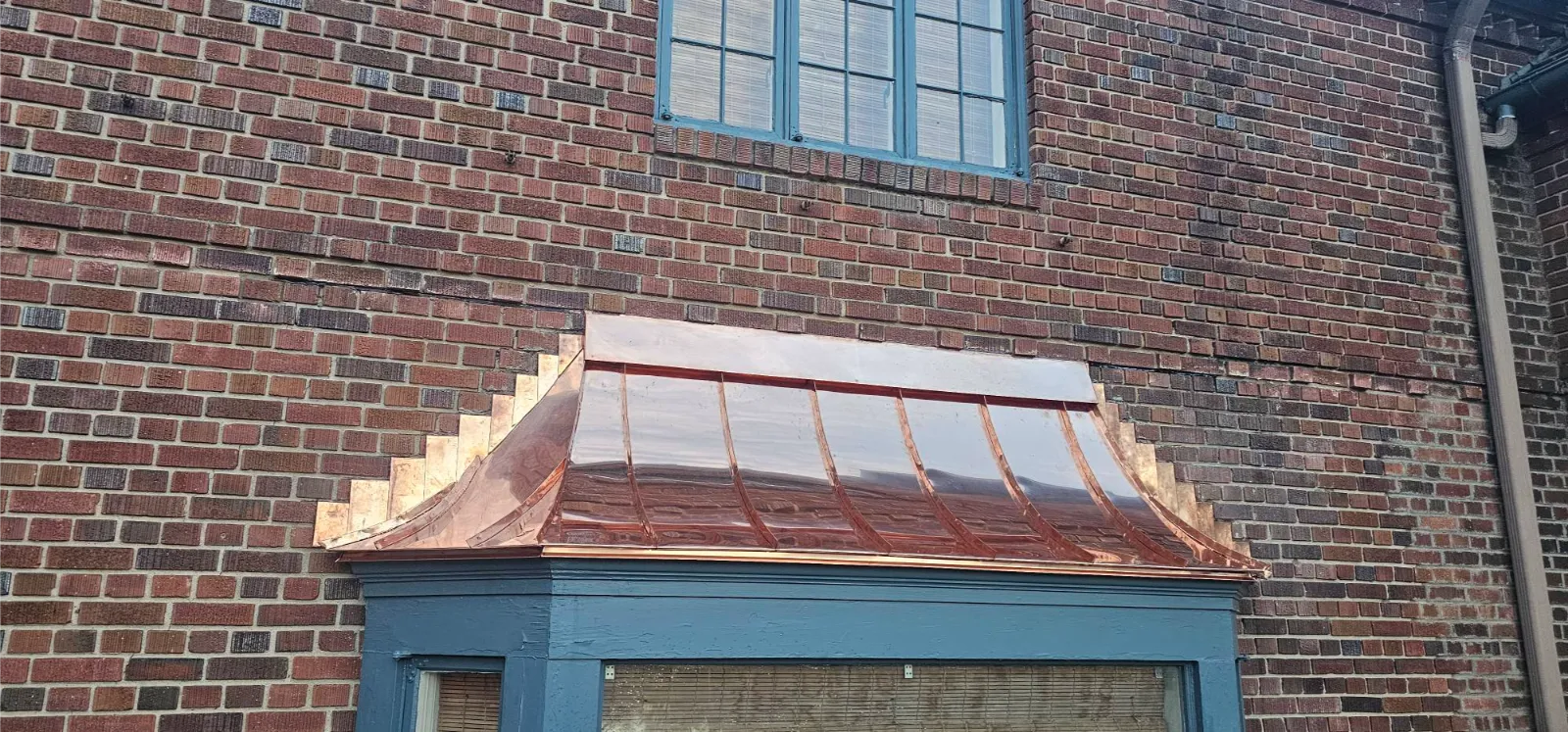
Low-Slope Applications
Porches, additions and other low-pitch roofs can be hard to keep dry with shingles. A mechanically seamed metal roof is often a good fit for them.
- Why Choose Magos for Standing Seam
Precision at Every Seam
A mechanical-seam roof rewards careful work. Straight panels, well-placed clips and clean trim details are what make it perform. With over 12 years of roofing experience and our own metal-forming machine, we handle this system from the material to the final seam. Pablo Magos plans each job himself and explains every choice in plain terms.
Trim for your roof is formed on our own machine, made to suit the details of your home.
We specialize in mechanical-seam roofing and give every seam, clip and transition close attention.
You get a clear written estimate and an honest comparison with other roofing options before deciding.
- How It Works
Your Standing Seam Project, Step by Step
Measure and Plan
We visit your home, measure the roof and look at pitch, valleys and penetrations to plan a panel layout that suits the shape of your roof.
Choose Your Look
We go over colors, finishes and profiles with you and put everything into a free written estimate, so you know what you are getting before work starts.
Install and Seam
Our crew prepares the deck, sets the panels on concealed clips, mechanically seams them closed and finishes every edge and transition with neatly fitted trim.
Want a Roof With No Exposed Screws?
Talk with Magos Construction about mechanical-seam metal roofing for your home. We will measure, explain your options and give you a written estimate.
Mechanical-Seam Roofing Questions
What is the difference between snap-lock and mechanical-seam panels?
Snap-lock panels click together by hand along the seam. Mechanical-seam panels are folded together with a seaming tool after they are installed, which locks the seam more tightly. Snap-lock goes on faster, while a mechanical seam holds up better to strong wind and is the usual choice for lower slopes.
What do single-lock and double-lock seams mean?
They describe how many times the seam is folded. A single-lock seam is folded over once, and a double-lock seam is folded over again for an even tighter connection. The right choice depends on your roof's pitch and exposure, and we will explain which one makes sense for your home.
Why are hidden fasteners better?
On exposed-fastener metal roofs, screws go straight through the panel, and each one relies on a rubber washer to keep water out. Over years of sun and temperature swings, those washers can wear and screws can back out. Concealed clips keep the fasteners under the seam and out of the weather, leaving the panel surface unbroken.
Can a mechanical-seam roof go on a low-pitch roof?
Often, yes. Because the seams are folded tight, mechanical-seam panels can handle lower slopes better than shingles or many exposed-fastener panels. Every roof is different, so we check the actual pitch and what the panel system calls for before recommending it.
Does a standing seam roof make more noise in the rain?
Installed over a solid roof deck and underlayment, a standing seam roof is usually not much louder than other roofs from inside the house. The loud rain sound people remember usually comes from metal laid over open framing on barns and sheds. On a home, the layers beneath the panels soften the sound.
How do you handle chimneys and skylights on a standing seam roof?
Penetrations need extra care on any metal roof. We plan the panel layout around them, then form trim and flashing pieces on our machine to fit around each chimney, skylight or vent, so water is directed around it and off the roof.